
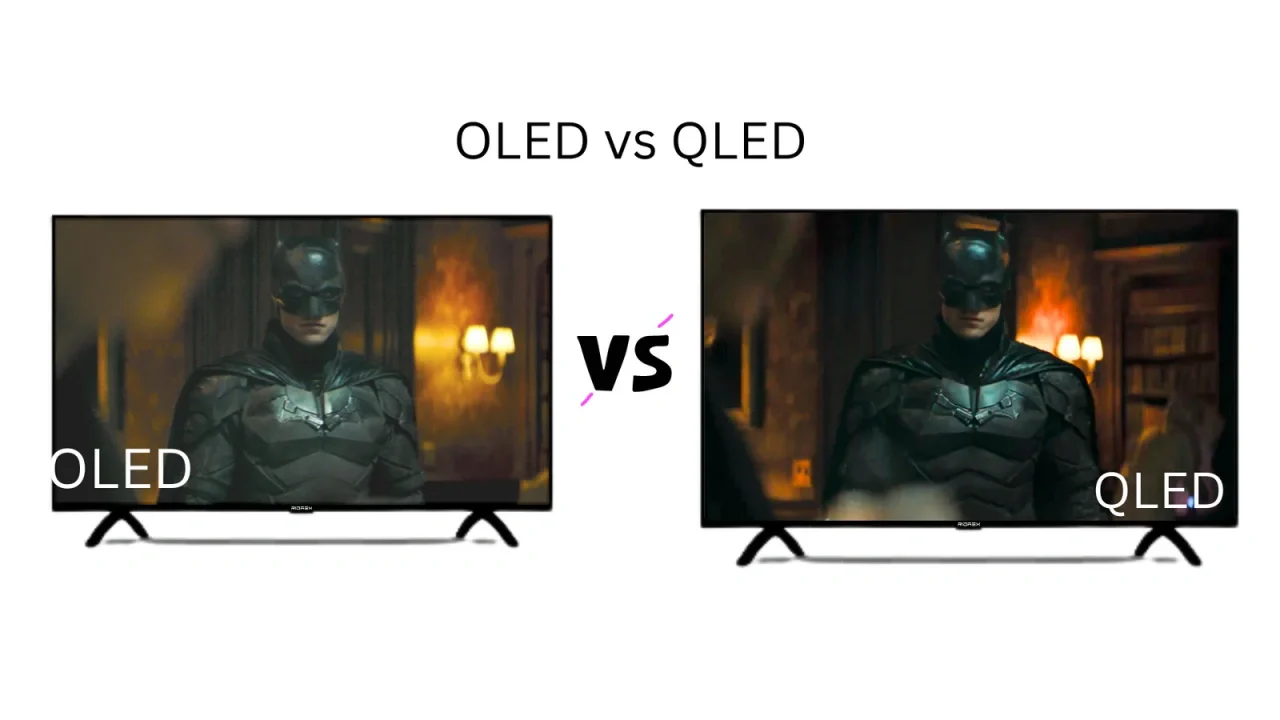
Differential Exposure Between OLED and QLED TVs
While shopping for a TV, one will indeed run into these terms OLED or QLED. So what is the actual difference that is defining the technologies and each for which? We shall now plunge straight, that is definitively.
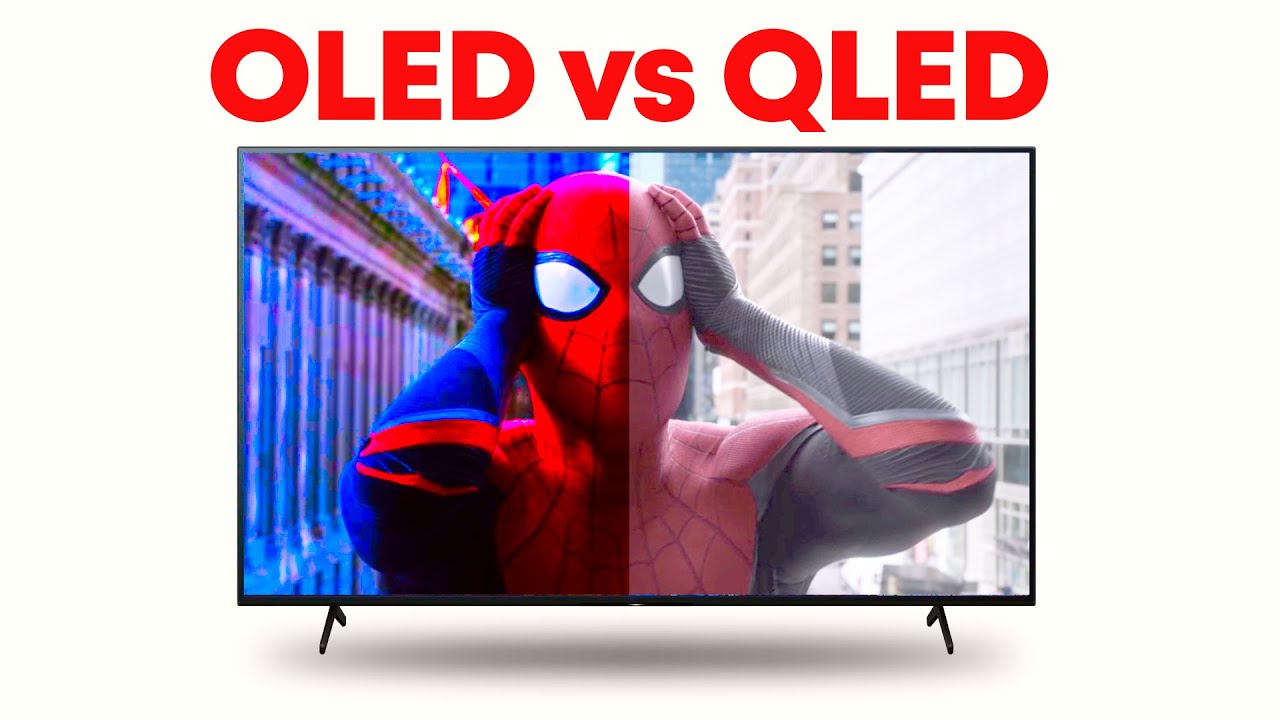
A Glimpse Into An OLED TV
OLED means organic light-emitting diode. This means every pixel in an OLED TV is emitting its own light, giving blacks and contrast perfection. This is also aiding the thinness and lightness of OLED TVs, which are available with extremely thin profiles.
Pros:
* Fairly good monitors for blacks and contrast levels.
* Great for gaming-high refresh rate.
* Very Thin and Light Design.
* Good Color even at Side Angle.
Cons:
* OLED is probably the most expensive alternative more than all the technical options available.
* Long-term usage may lead to burn-in.
QLED TV-What Is It?
Simply put, a QLED would colorize the colors through a quantum dot filter while driving an LED backlight to look thinner. Naturally, this also means that QLED TVs can be made very much brighter, thus functioning well in bright rooms.
Pros:
* No Burn In Issues
* Bright Colors with Certain Amazing HDR Performance
* More Resilience to Injuries than OLED
* Value for Money in the Size Perspective
Cons:
* Not as deep black as OLED
* Less contrast than OLED
* Less wide viewing angles
Solution to TV choice?
For the movie lovers seeking deep blacks and contrast-OLED would be the answer.
On the contrary, in a situation where something could serve well in brighter rooms, size would matter; economical use-QLED would fulfill all your demand.
Conclusion
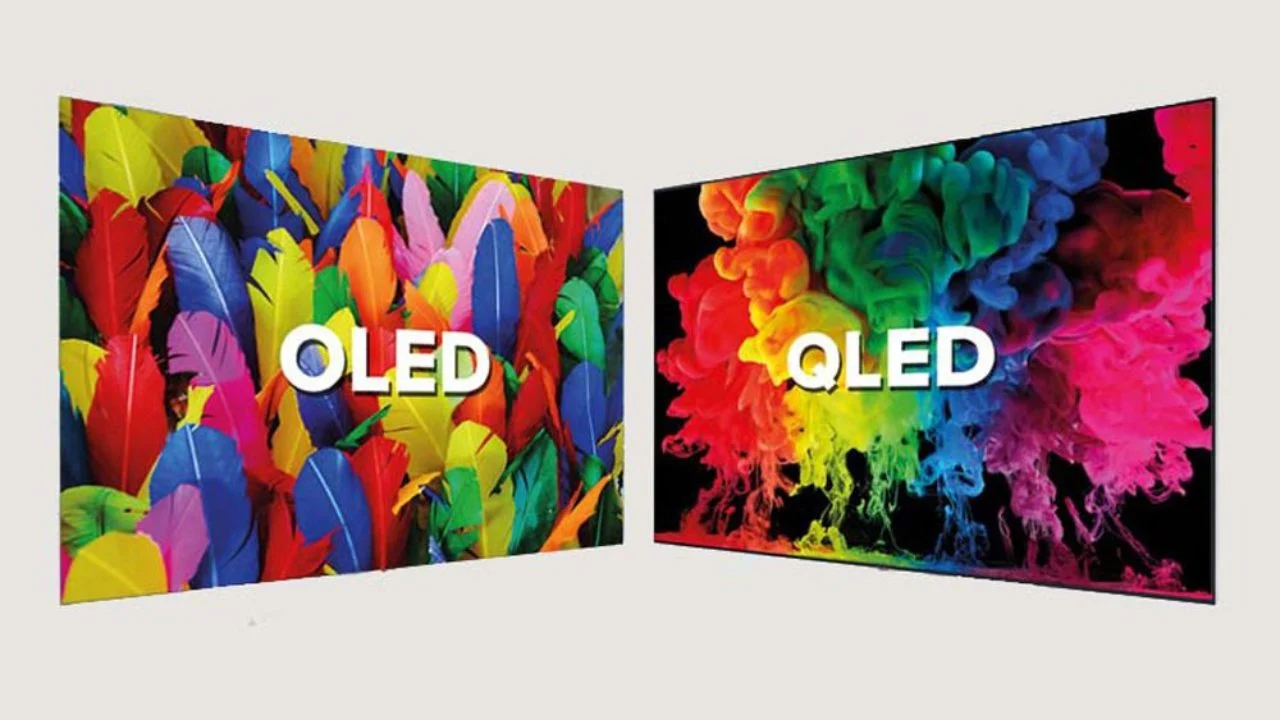
In brief, OLED and QLED bring in some pros and cons irrespective. The final decision thus will depend upon one's budget, ambient light in the viewing area, and their viewing habits.
You can also read:
Hisense Just Dropped a Laser Projector That Could Make OLED TVs Obsolete
Follow our WhatsApp channel for the latest news and updates
