
Smartphones are constantly being used for life activities. Personal photographs, messages, payments, and other private information are taken up and stored in these devices resolutely. Privacy has primarily been a concern for an iPhone user. Given such, further continuing development of iOS safety, in terms of users' intimate information security as perceived by them, must be handled.
Informed on iOS Security Data
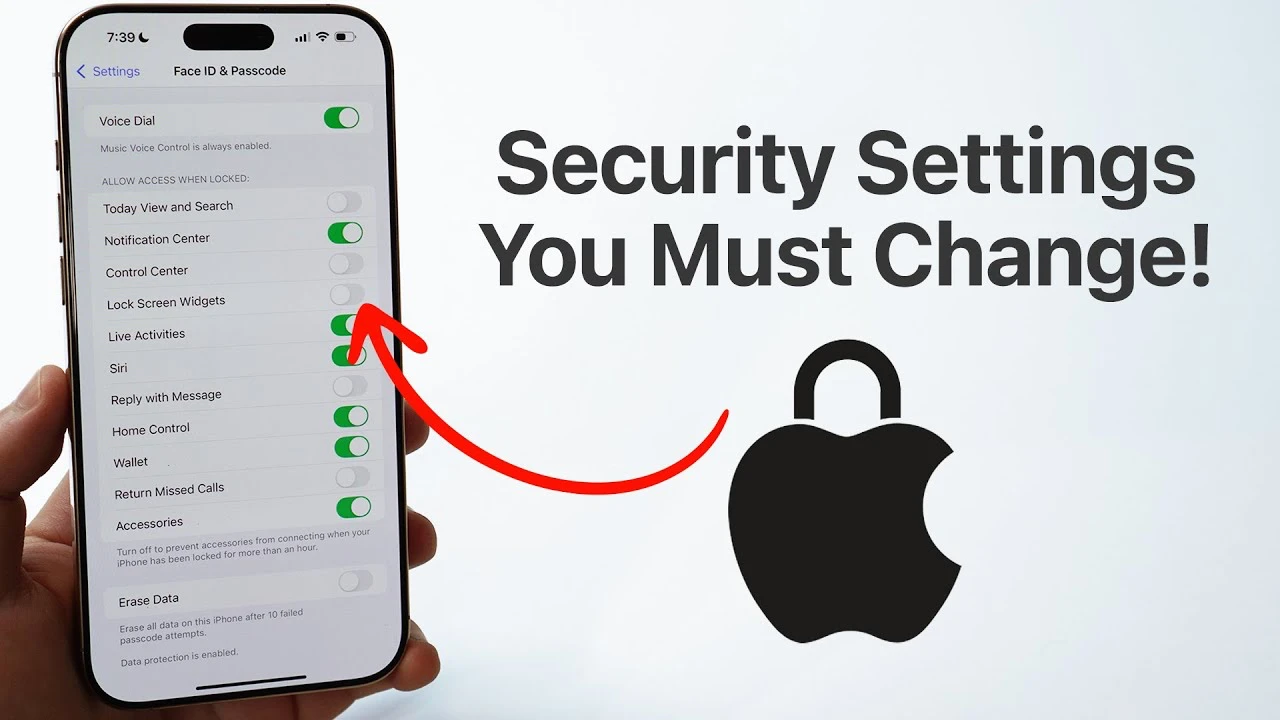
Turn Face ID or Touch ID to On
The unauthorized access of the device is denied by Face ID and Touch ID, being the first line of defense.
Strong Passcode
While using an alphanumeric password of letters and numbers instead of pins of only numbers, the passcode is strong, such that hackers might be prevented from gaining probable guesses easily.
Control Location Services
Please stop every app from using location services by going to Settings > Privacy & Security > Location services and only shaped in alignment to "While Using" or "Never".
Turn on App Tracking Transparency
iOS will ask for your permission each time an app is looking to track you. It does this with an App Tracking Transparency icon. Set this up with Settings > Privacy > Security > Tracking.
Enable Find-My-iPhone
Find My iPhone helps you trace your device so you can locate it and lock it if need be.
Use Privacy Report
This will cause the 'Privacy Report' to be enabled on Safari. This will reveal which websites attempt to trace your data.
Update Regularly
Periodically update your iPhone with the Security Center as prescribed in case the Global Weather App expires.
iCloud Data Encryption
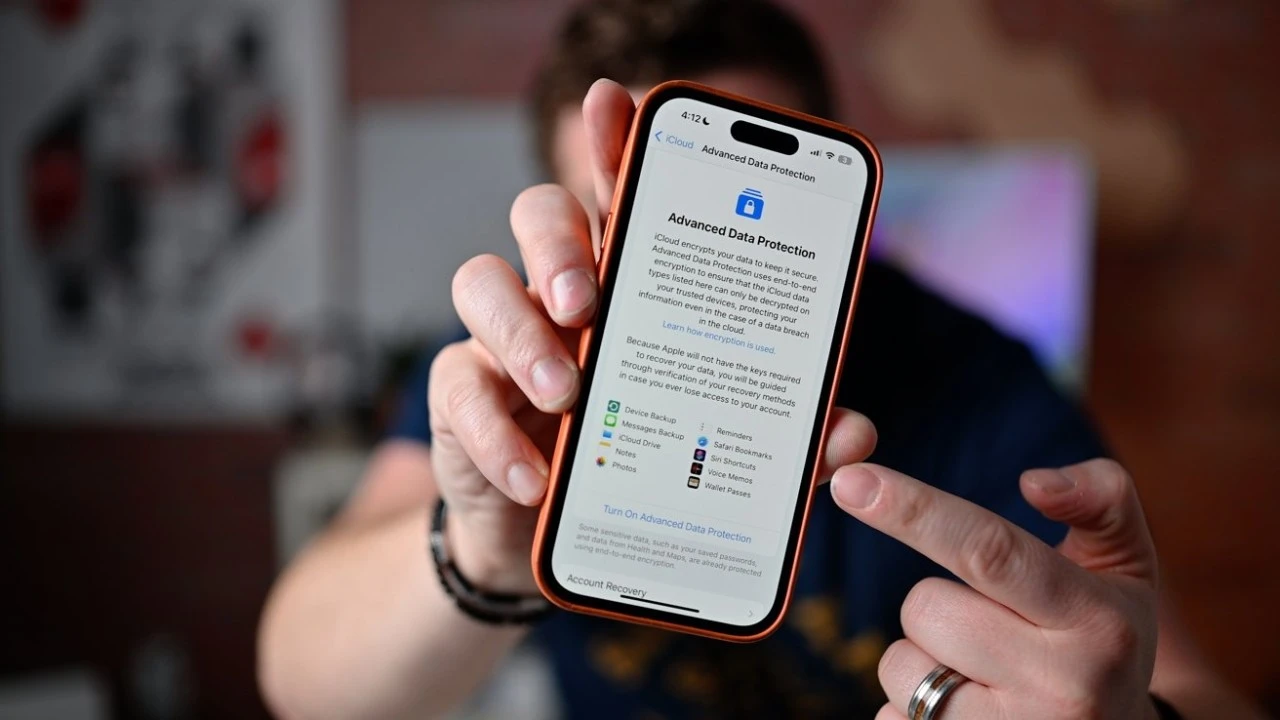
Activating the iCloud Advanced Data Protection feature will encrypt the data to the extent that even Apple will not be able to read it.
Force your iPhone to run these significant iOS security features so that hackers, apps, and other parties cannot get access to private information. Evaluate such configurations when required and periodically update them.
Follow our WhatsApp channel for the latest news and updates
