
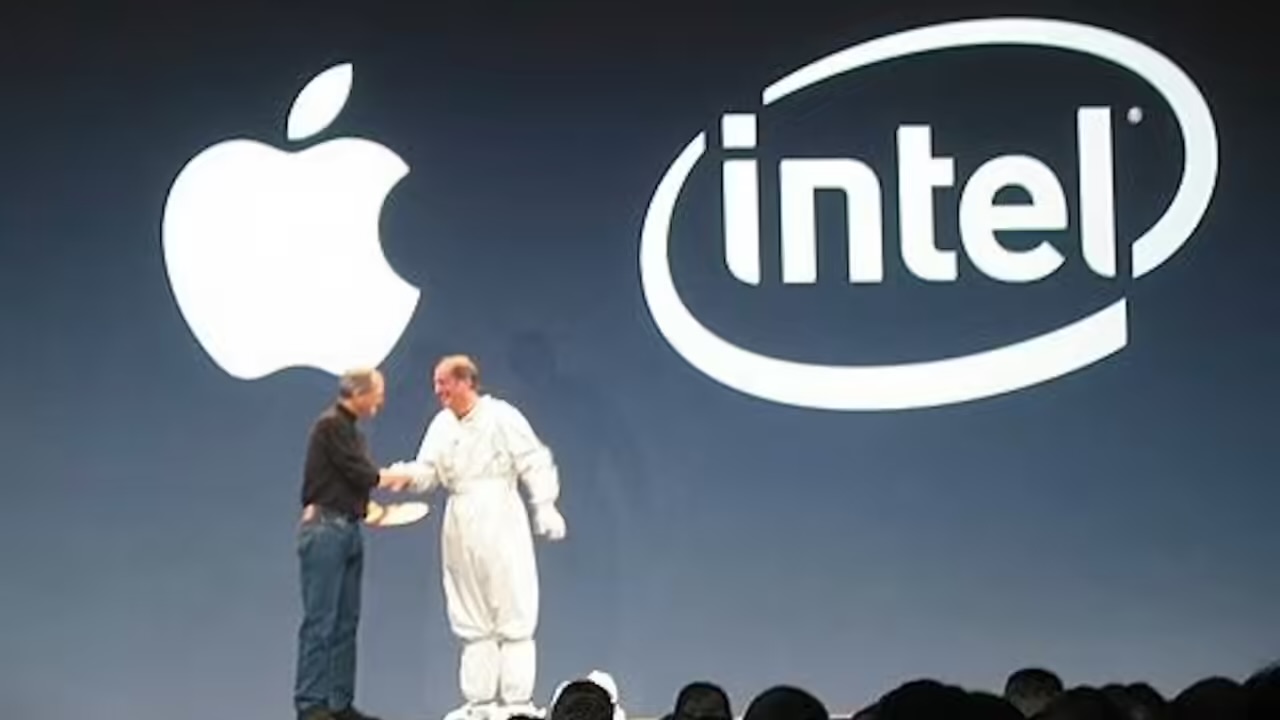
Before moving to the speculation by the analysts regarding from now on Intel gets chips for the non-Pro iPhones, it is important to note this has a rather categorical tone. Limited in-house manufacture was one of the things that led Apple to design it chips, especially those meant for iPhones, while almost all the work was sent to TSMC. Now, perhaps this status has changed, as Intel has resurrected its chip services in hand, going to look for flexible partners in manufacture.
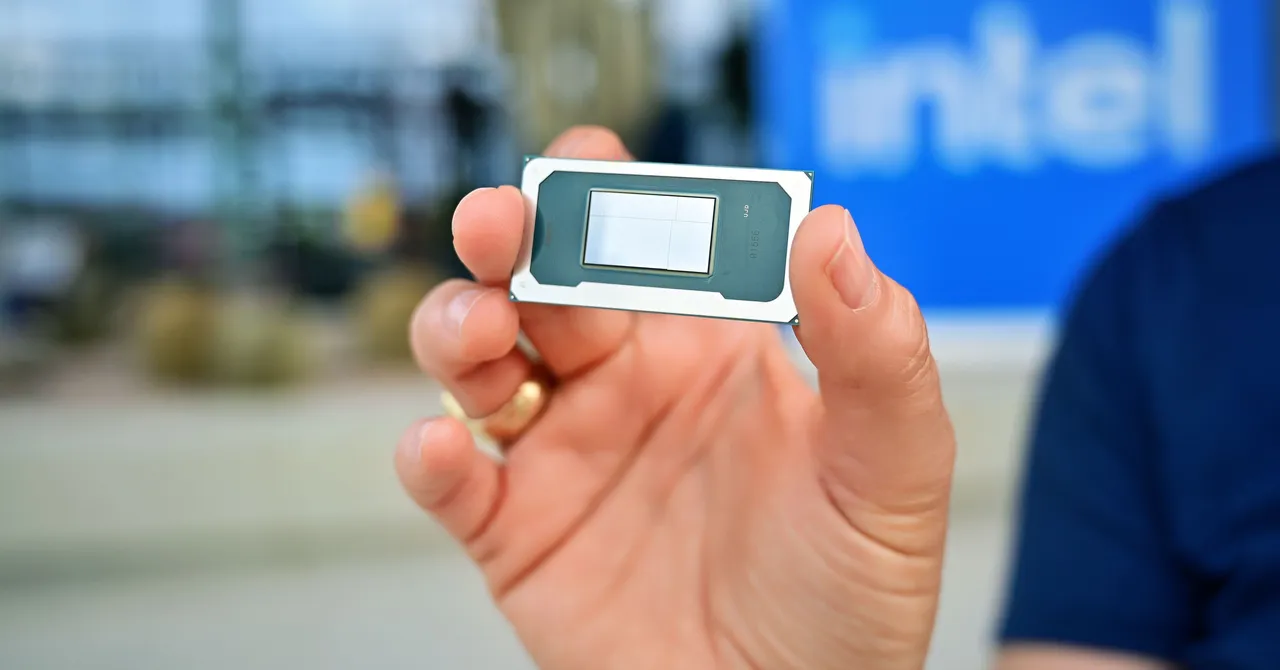
Which Chips do the Non-Pro iPhones Have?
Two series are in most cases hustled by iPhones. One is the Pro series, while the other is the Non-pro one. Pro series comes equipped with the latest chipset and is high on specifications, while Non-pro counterparts after work have less capability or last-gen version of the same chipset. Thus the assumption: Intel was going to have to chip for the Non-Pros.
What About Releasing Intel?
Diversification of chip supply chains:
As mentioned earlier, Apple has been with TMSC for the longest time. Keeping multiexit options alive would indeed help cushion from incidents of supply shock from any kind of geopolitical tension.
Heavy Investments on the Intel Foundry:
So much cash has been pushed by Intel to bring Intel Foundry Services to reality. IFS 3nm or 20A was so well-named among them that it increases interest across the globe in the tech stack. That seems to differentiate it from what some of those big-shot names like Apple seem to have.
Cost Reductions and Speeding Up Qualification:
Having plural suppliers would facilitate cost tracking and flexibility in speeding up entry into the market.
What This Means to Apple
* New-novice would put Apple under new commissioning of models at short notice.
* Low risk of being short on chips, as in past two years, seems indeed quite rare.
*The competition will thus remain technology based; only if it can prove itself in making chips for Apple could Intel really ever threaten TSMC's monopoly.
With message sent to industry
Indeed, this prospective collaboration is bound to create a shift in the chip foundry market. It has started newborn steps to become a global Chip Manufacturing Service Provider rather than just
production of CPUs. Apple has other intentions to have a risk-minimized production.

Conclusion
If predictions were right, then such a change would have made Intel a game changer in the technological ecosystem by manufacturing non-Pro iPhone chips for Apple. This passes a major milestone; henceforth, doors open for competition and opportunity with space for these two players and the entire chip ecosystem.
Follow our WhatsApp channel for the latest news and updates
